Deep biblical truths, traced to the source.
The original teachings of Christ and the Apostles, read from the primary documents — the Hebrew and Greek text, the councils' own canons, the early writers in their own words. Every claim is cited where it comes from, and every claim is tested against Scripture itself. Including ours.
40+
Years of teaching, study, and verse-by-verse work
Acts 17:11
Searched the scriptures daily, whether those things were so
Plain
Written for the new believer and the long-time student alike
Three ways in. Pick the one that fits how you learn.
No prior study required. Bring a Bible and a willingness to check the work.
The Trinity
What Scripture says about the Son, what a council in 325 AD made mandatory, and what happened to the men who would not say it.
01
Who the Son Is
Fully divine and truly sent: "the Word was God" (John 1:1), "My Lord and my God" (John 20:28) — and in the same breath, "one God, the Father… and one Lord Jesus Christ" (1 Cor 8:6). The Bible's own case for the Son, built from the Hebrew and Greek, needing no word the Bible never uses.
Read Part 1
02
The Word Made Mandatory
One Greek word — homoousios — that Scripture never uses of the Son, and that an orthodox council at Antioch had already rejected in writing in 268 AD, as Athanasius himself concedes (De Synodis 43, 45). Arius in his own recorded words, the creed of 325 quoted in full, the bishops who would not sign, and Constantine's own edict ordering the books burned.
Read Part 2
03
Oneness Pentecostalism
A third position entirely: one that collapses the Father and the Son into a single person rather than denying either one's deity. Held to the same standard as the other two — chapter and verse, or it is not doctrine.
Read Part 3
One question, one passage, a few minutes








Read the document. Name the source. Then test it.
Nothing here rests on someone else's summary. Every teaching quotes the primary text directly and says exactly where it comes from — book, chapter, verse; author, work, section — so you can go check it yourself. Where Scripture holds a real tension, we say so instead of smoothing it over. And when a teaching turns out to be a tradition of men rather than a command of God, we name the century it entered.
- Is it taught as binding?
- Does it have a basis in God's word?
- Does it nullify or replace God's command?

Start with a book, a topic, or the format you learn best in
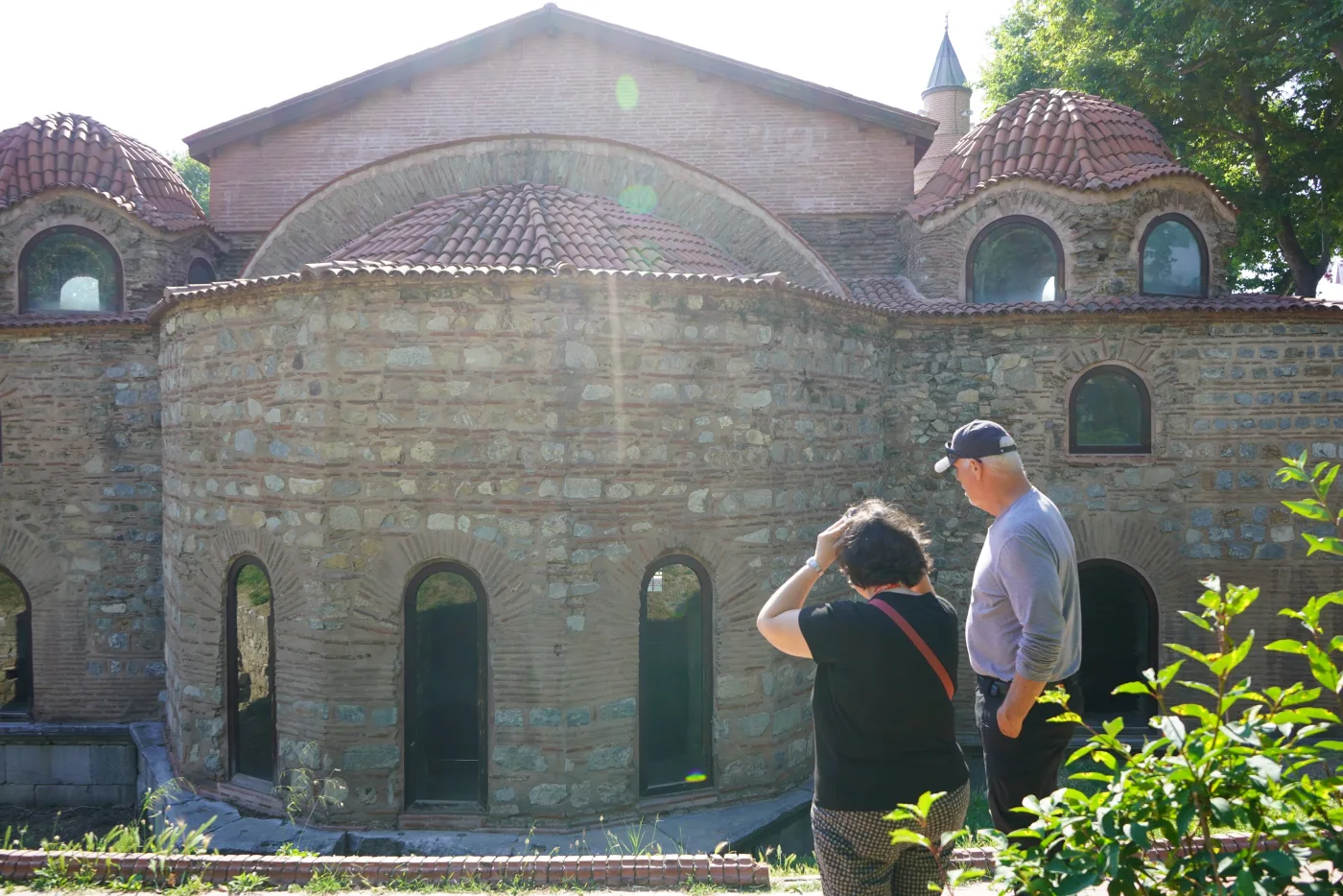
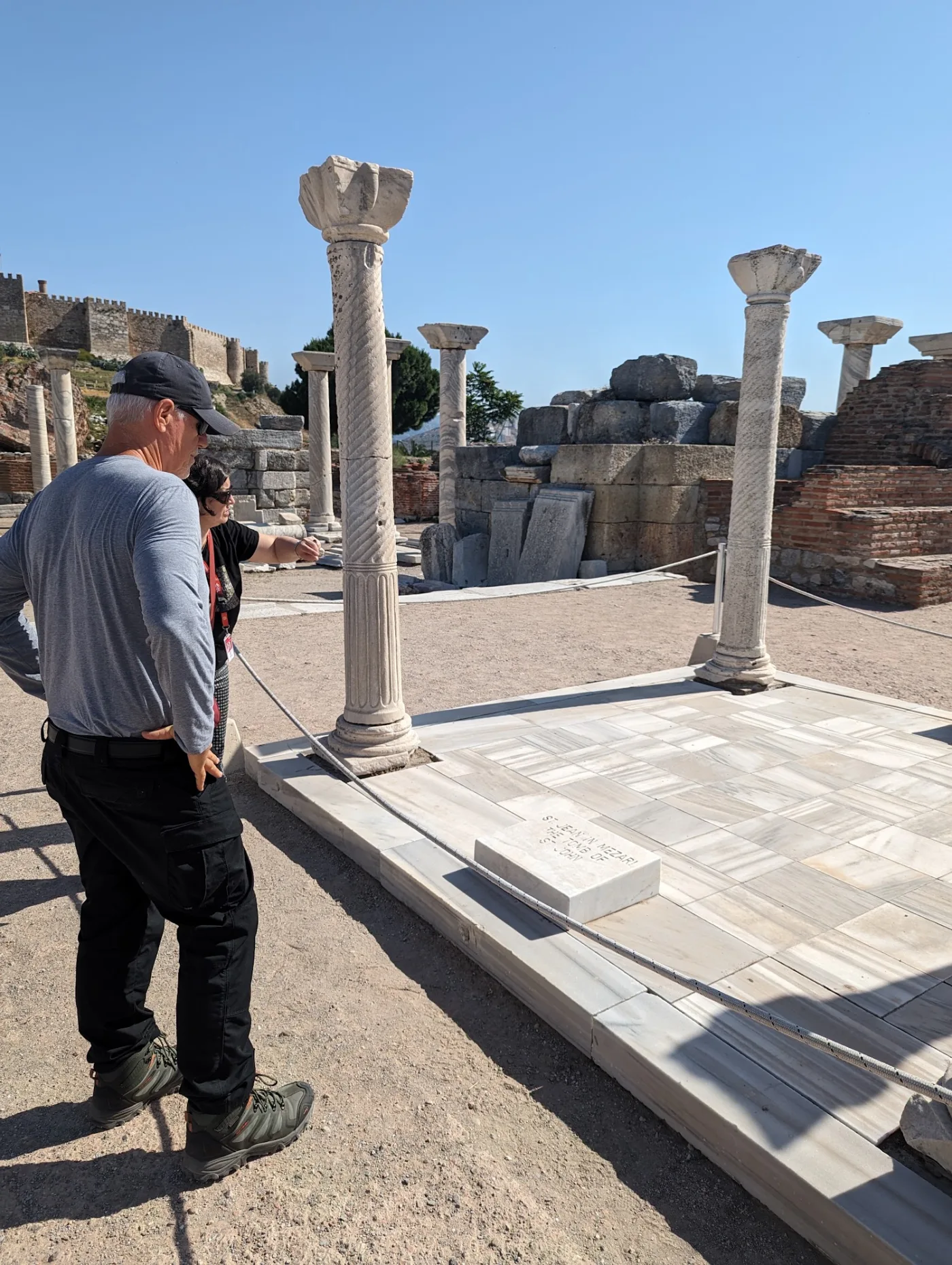
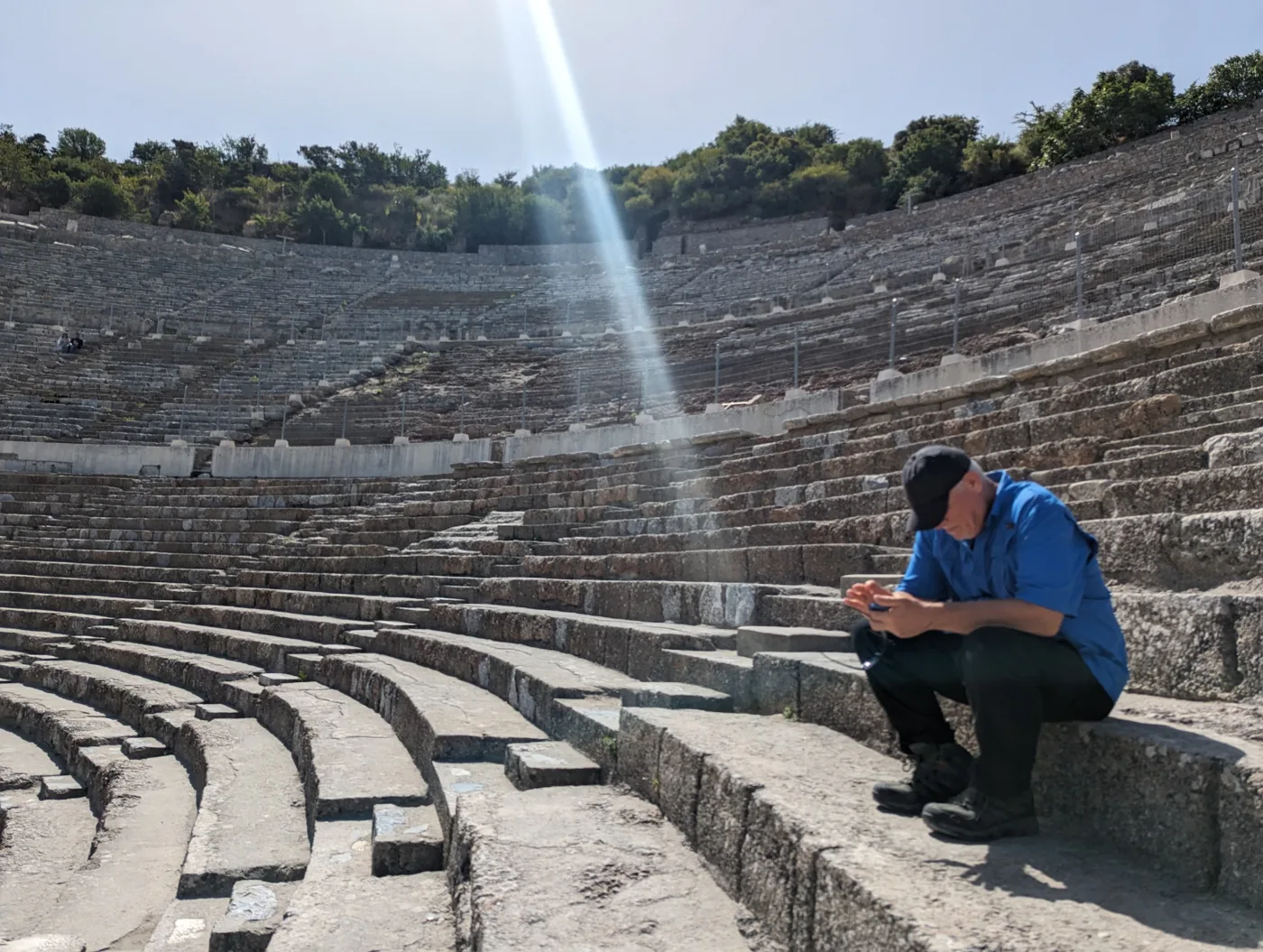
The places these documents came from are still standing.
The record is not only on paper. A limestone block dug out of Caesarea in 1961 names "Pontius Pilatus, prefect of Judea" — the correct title for that decade, in his own governorship. A 9th-century BC victory stele found at Tel Dan names the "House of David" a century after David lived. A letter from Claudius carved at Delphi dates Gallio's proconsulship and fixes Paul's Corinth to about 51–52 AD, exactly where Luke puts him.
Stuck on a passage? Send it in.
Questions are answered from Scripture and the primary documents, with the sources attached — so you can verify the answer instead of taking anyone's word for it. Answers are published for everyone.
Every new teaching, in your inbox.
The Contender goes out as a numbered newsletter — one study at a time, at a pace you can actually follow, with the sources listed at the bottom of every issue.
“Prove these things for yourself in the Bible. Then believe the Bible, trust Jesus, and follow Him.”